The Possesive Form
It shows a relationship of belonging between one thing and another. To form the possessive, add apostrophe + s to the noun. If the noun is plural, or already ends in s, just add an apostrophe after the s
EXAMPLES
the car of John = John's car
the room of the girls = the girls' room
clothes for men = men's clothes
the boat of the sailors = the sailors' boat
For names ending in s, you can either add an apostrophe + s, or just an apostrophe. The first option is more common. When pronouncing a possessive name, we add the sound /z/ to the end of the name.
EXAMPLES
Thomas's book (or Thomas' book)
James's shop (or James' shop)
the Smiths's house (or the Smiths' house)
The possessive can express a relationship between people.
EXAMPLES
John's mother is running late.
Mrs Brown's colleague will not be coming to the meeting.
Taken from: https://www.ef.com/wwen/english-resources/english-grammar/forming-possessive/
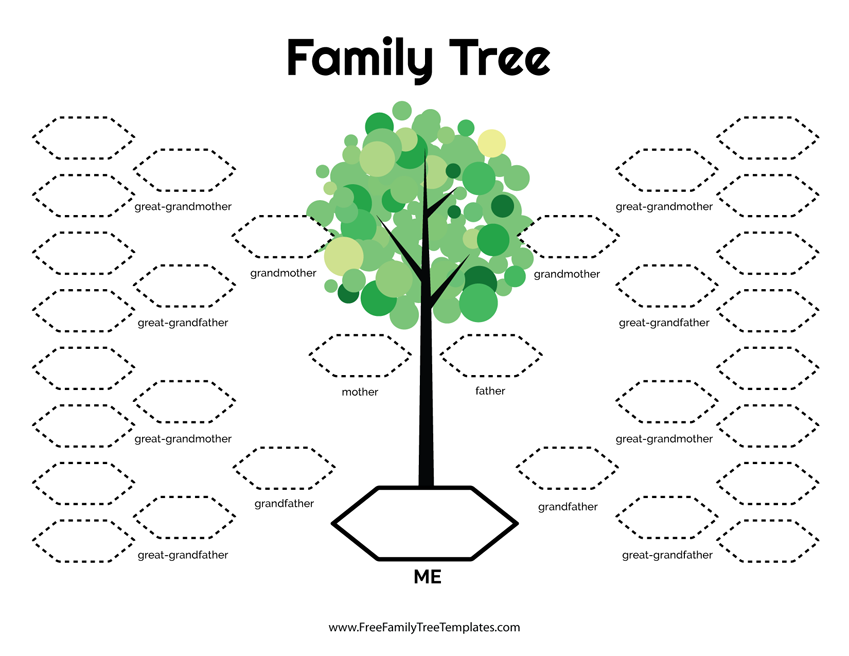
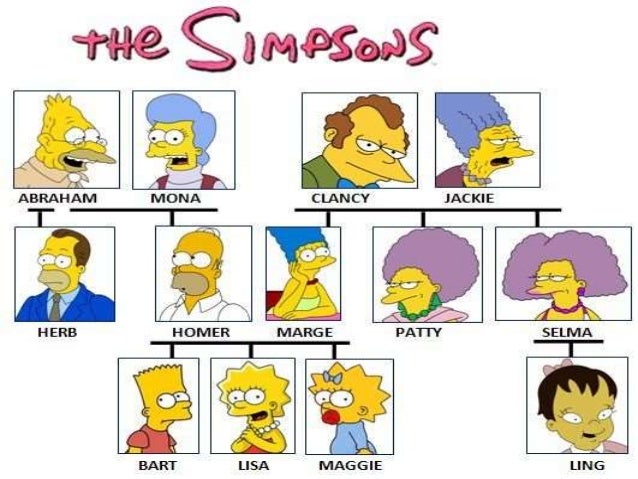
We can use the possesive form when talking about familial relationships within a family tree.
The Cambridge Dictionary defines family tree as a a drawing that shows the relationships between the different members of a family, especially over a long period of time.
Your family members are also called your relatives. You have an immediate or nuclear family and an extended family. Your immediate family includes your father, mother and siblings. Your extended family includes all of the people in your father and mother's families.
You may also have a stepfamily. Your stepfamily includes people who became part of your family due to changes in family life. These changes may include death, divorce or separation. New partnerships create new children. The new children and their relatives become part of your blended family. Some people are born into a stepfamily.
Taken from: https://www.englishclub.com/vocabulary/family.htm
In the following video, you will learn how a family tree is created and the respective vocabulary.
Practices
Practice #6
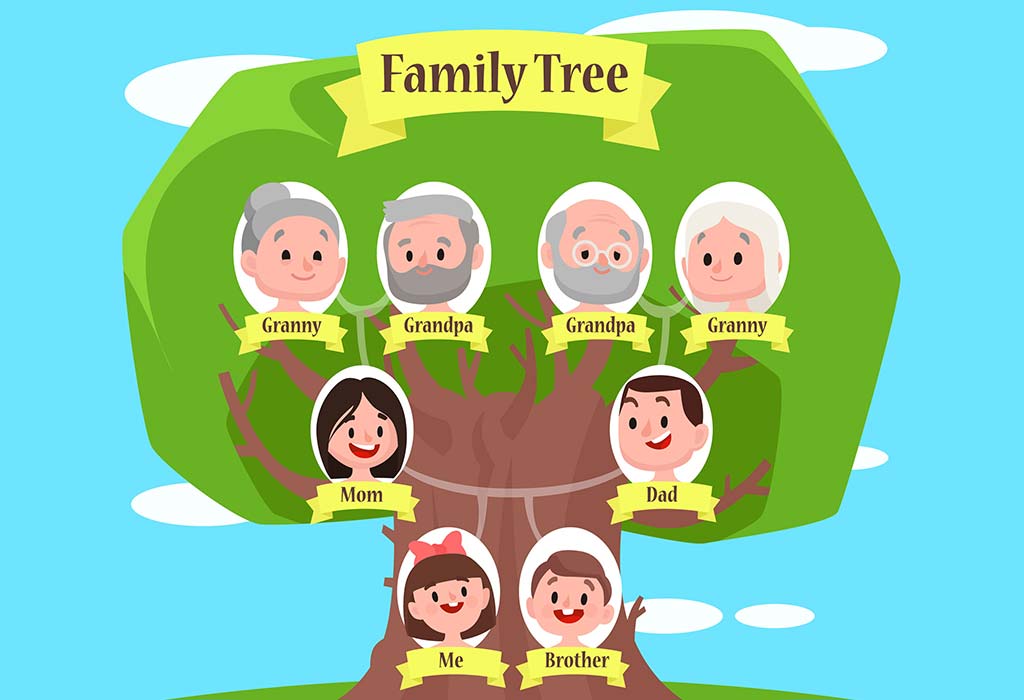
In the following puzzle, you must find the words related to family tree vocabulary.
MOTHER
|
FATHER
|
SON
|
DAUGHTER
|
SISTER
|
BROTHER
|
GRANDMOTHER
|
GRANDFATHER
|
GRANDPARENTS
|
NIECE
|
NEPHEW
|
COUSIN
|
AUNT
|
UNCLE
|
WIFE
|
HUSBAND
|


I like the fact that there are many practices and lots of examples.
ReplyDeleteVery good, and interesnting information. We really loved the design of the blog, and very complete practices.
ReplyDeleteClear explanation! simple to understand , the examples make it easier for students to get the idea on how to use The Possessive case.
ReplyDeleteIt has good, and interesnting information the pactices are very complete
ReplyDeleteThis comment has been removed by the author.
ReplyDeleteThis is very down to earth. I like that you included many types of families and different visual representations. Personally, I might have liked to see the pictures inserted in the middle of the text.
ReplyDeleteI absolutely love the Simpsons! And I think they were used very well as an example in this case. I also love the fact that the information is very clear to understand. And the ending activity is very fun to do.
ReplyDeleteI really liked the topic and the explanation which was very clear. I think the Family tree really helps to understand the possessive forms.
ReplyDeleteGood way to engage students with catchy cartoons like the Simpsons. The font size could be a little bigger.
ReplyDeleteGreat job! I liked the explanation, the images and the blog in general.
ReplyDelete-Tania
I like so much. The explanation and the video with an extra information is nice. The examples gave me more understanding.
ReplyDeleteexcellent! the information about possessives is great, it will be very helpful for us.
ReplyDeleteMayelin
Awesome! Thank you so much for the practices' link, it is very useful.
ReplyDeleteI learned so much about the Family Tree. It was a fun review doing all the activities inside it. Thanks for that, amazing blog!
ReplyDeleteI liked this blog a lot because this is a very important topic that we have to use many times
ReplyDeleteHi, this is a very interesting topic to be used in seventh grade at the high school; thank you very much for all the information and the video also.
ReplyDelete